Box Template Onesie: A Practical Designer’s Review for Real Embroidery Projects
First Impressions: Simple Shape, Strong Visual Presence
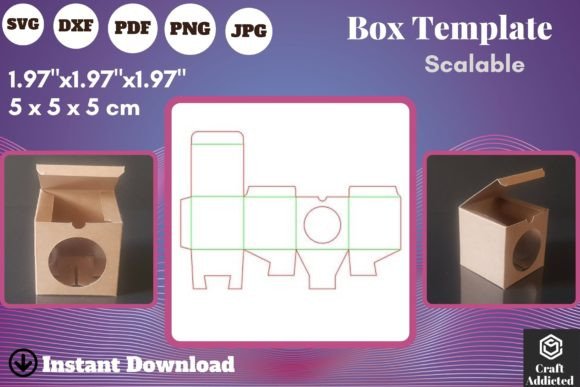
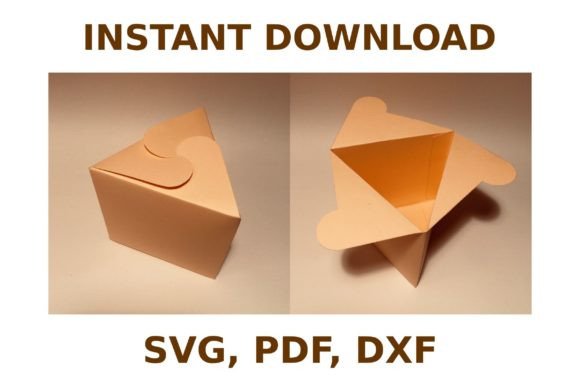
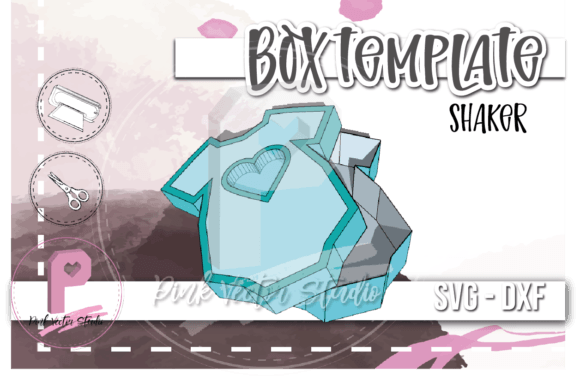
Opening the Box Template Onesie files, the first thing that stands out is its clean, geometric structure. It’s a minimalist box shape rendered in 3D SVG format, which immediately suggests it’s meant for versatility—whether as a standalone design or as a container for other embroidered elements. The design has a playful yet professional tone, making it ideal for baby items, boutique packaging, or custom gift projects. It doesn’t scream for attention, but it holds its own in terms of visual structure and purpose.
As a designer, I appreciate how the 3D effect gives it depth without overcomplicating the stitch path. This isn’t a heavily detailed embroidery motif, but that’s exactly what makes it useful. It can serve as a border, a label area, or even a dimensional applique base for adding names or small graphics.
Real-Life Use: Where Does Box Template Onesie Shine?
I tested the Box Template Onesie on a few different fabric types to get a sense of how it would hold up in real-world applications. First, I stitched it onto a soft baby onesie—hence the product name—and it looked clean and structured without distorting the garment. The corners were crisp, and the 3D layering gave it a subtle raised effect that added interest without bulk.
- On a custom embroidered tote bag, the design worked well as a gift tag-style element. I added a name inside the box and it created a polished, boutique feel.
- For a personalized sweatshirt project, I placed it on the chest with a small monogram inside. The contrast between the box and the surrounding fabric made the text pop.
- When used as a patch base, it stitched cleanly on felt and held up well after trimming and iron-on backing.
It’s particularly effective for Etsy sellers or small craft businesses looking to add a branded or gift-ready touch to their items. The shape is neutral enough to work across seasons and themes—great for baby showers, birthdays, or holiday favors.
Where to Use It Carefully
While Box Template Onesie is a solid design, there are a few situations where you’ll want to test before committing:
- Small hoop sizes: Depending on the dimensions, it may not fit in smaller embroidery hoops without resizing, which could affect the 3D effect.
- Stretchy fabrics: I noticed slight distortion on lightweight knits unless properly stabilized. A firm tear-away or cut-away stabilizer is a must.
- Dark fabrics: The 3D stitching relies on layering, so thread color contrast becomes crucial. Test with white or light thread outlines if using on black or navy garments.
- Detailed corners: The corners are sharp and well-defined, but on textured or thick materials, they might not stitch as crisply. Always test on a sample swatch.
Also, if you’re planning to use this as part of a layered design (like adding a name or small graphic inside), be mindful of stitch density and placement. Too many overlapping elements could cause puckering or distortion, especially on thinner fabrics.
Impact on Product Appeal and Customer Perception
From a business perspective, the Box Template Onesie adds a level of sophistication that elevates even basic handmade items. It reads as intentional and well-designed, which helps build customer trust. When used on personalized gifts or boutique-style apparel, it gives that “finished” look that buyers are willing to pay for.
I used it in a recent line of embroidered baby towels and washcloths for a small Etsy shop relaunch. The result? The box acted like a mini label, giving the product a custom, artisanal feel. Buyers responded positively, commenting on the “clean and modern” design.
For digital product sellers, this SVG file can be a great asset for mockups or design templates. It works well in both printable mockups and digital embroidery previews, especially for sellers offering customizable items.
Designer Notes: What to Check Before Using
Here are a few practical steps I recommend before stitching or reselling with this design:
- Test on scrap fabric: Especially if you’re using a new stabilizer or thread combo.
- Check thread color contrast: The 3D layers rely on subtle layering, so poor contrast can make it look flat or muddy.
- Confirm hoop size: Don’t assume it fits your machine—measure or preview the file in embroidery software.
- Inspect corners and outlines: These are the most critical parts of the design for visual clarity.
- Try black and white mockups: This helps assess clarity and structure without color distractions.
- Use the right stabilizer: Medium-weight tear-away works best unless you’re working with stretchy or sheer fabrics.
- Review licensing: Since this is a digital download, make sure you understand the permitted uses—especially if you’re selling finished items or including it in digital bundles.
Final Thoughts: A Useful Addition to Your Design Kit
The Box Template Onesie isn’t flashy, but it’s functional and adaptable. It’s the kind of design that quietly improves your finished products without demanding attention. Whether you’re an embroidery hobbyist, a craft business owner, or a digital product seller, this shape can become a go-to for organizing text, framing elements, or adding a touch of structure to your projects.
Its 3D SVG format makes it easy to resize and adapt across different file types, and the clean lines ensure it works well in both minimalist and more detailed embroidery setups. Just remember to test, test, test—especially if you’re using it in commercial or customer-facing work.